Start with the ambition. Ship the first piece. Grow from there.
Four steps, in this order: a working session, a first build, the next piece, and Care. The first build is fixed scope and fixed price, every build after it is quoted on its own, and you own all of it.
- 1Working session45 minutes, free
- 2First buildFixed scope, fixed price
- 3The next pieceQuoted per build
- 4CareMonthly
Step 1 · Working session
What you’d build first, on one page.
45 minutes, free
We pick the problem that matters most and name the first build. Bring the business problem or opportunity. I’ll ask one question: if headcount stopped being the limit, what would you do first? We work it down to the one piece that’s worth building now.
What we cover
- The problem or opportunity, in your words. What you’d do first, and who on your team lives with the problem today.
- Whether it’s worth building. Some problems are better solved with a tool you already own. If that’s the case, I’ll say so.
- The first build, named. One piece, small enough to ship in weeks. You leave with it written down.
- What comes next. A fixed-price quote follows in writing.
Step 2 · First build
One piece, live in weeks.
Fixed scope, fixed price
Tested on your own data. Your named owner signs off before anything goes live. Scoped exactly, priced exactly, quoted before you commit. It ends when it’s running, documented, and stable — not when a prototype demos well.
Before it goes live
- Map the data. Where the information it needs actually lives across your tools. Every tool you run stays.
- Test it on your own history. What would it have done last month, checked against what actually happened.
- Run it read-only beside your team until the results are checked.
- Your named owner signs off.
- If the data can’t support the build, I’ll tell you so.
What production means here
- Staging before production.
- Every change tested automatically, with a history you can roll back to.
- Heartbeat monitoring on every scheduled run.
- Documentation and runbooks, written as we build.
Step 3 · The next piece
Each build makes the next one cheaper.
Quoted per build
The second build stands on the first. The capability grows without starting over.
The connections, the checks, and the sign-off from the first build carry into the second, so it starts further along. At Süti, the daily ad results are the next piece after the creative intake, and tying each ad back to the brief that made it is the step after that.
Step 4 · Care
I keep it running and keep it moving.
Monthly
Hosting, monitoring, tuning, and a monthly session on what to build next. Software that nobody tends breaks. Care is the monthly retainer that keeps it running and keeps the next piece coming.
What’s included
- Hosting and infrastructure, managed and monitored.
- Tuning as your business and the models change.
- A monthly working session: what ran, what it got wrong, what we build next.
Terms
You own all of it.
- Your code, your data. You own everything I build, and it’s built to move to your accounts. You can’t be locked in.The code, the database, the prompts and the documentation are yours by contract. While I run it, it sits in accounts I manage, set up to move to yours.
- Proven before it acts. It runs read-only beside your team until the results are checked.At Super Pacific, ten live calls in a row were hand-checked with none wrong before the inbox tool was allowed to write a single ticket.
- Your team approves. Nothing reaches a customer without a person on your side saying yes.
- If I’m unavailable. Documented code and a named owner on your side. Any qualified developer can pick it up.
Pricing
How I quote.
I price the work against the value it creates for your team, not against another monthly subscription. Every number is quoted in writing, against scope.
- Working session. 45 minutes, free.
- First build. Fixed scope, fixed price.
- The next piece. Quoted per build.
- Care. Monthly.
If you want a number to plan against, I’ll give you a range in the first conversation. The proposal that follows will be exact.
FAQ
Common questions.
Can we take everything in-house later?
Yes. You own everything I build, and it’s built to move to your accounts. If you bring it in-house, I support the move: documentation, runbooks, access transfer.
What happens if we stop working together?
You keep a running system: source code, database export, runbooks, access transfer. Bring it in-house or hand it to another developer. What stops is the tending: the tuning and the monthly session.
Do you work with our existing tools?
Yes. Shopify, Klaviyo, Meta, your ERP, your inbox, Slack, Google Sheets: each one becomes an input. Every tool you run stays.
Why is Care part of the deal after a build?
Software nobody tends breaks. If your team runs its own infrastructure, Care is optional; the drift isn’t.
What’s the smallest engagement?
One first build. Fixed scope, fixed price, live in weeks, tested on your own data before it goes live. If the data can’t support the build, I’ll tell you so.
What does the working session cost?
Nothing. Forty-five minutes, no fee. You’ll leave with a first build named. If I’m not the right fit, I’ll say so.
You’re one person. What if something happens to you?
Fair question. Documented code and a named owner on your side. Any qualified developer can pick it up.
Do we need an AI person on the team?
No. Nobody has to become the AI person. You need one named owner on your side who signs off before anything goes live.
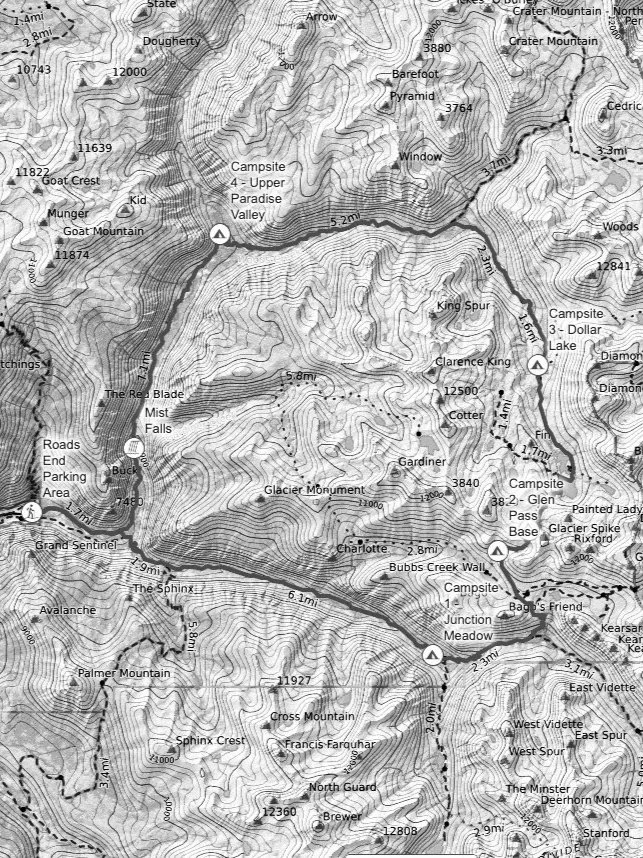
Rae Lakes Loop Trail, California
I’d rather prove it in week one than pitch it for two months.
The first build is tested on your own data before anything goes live. If the data can’t support the build, I’ll tell you so.